About
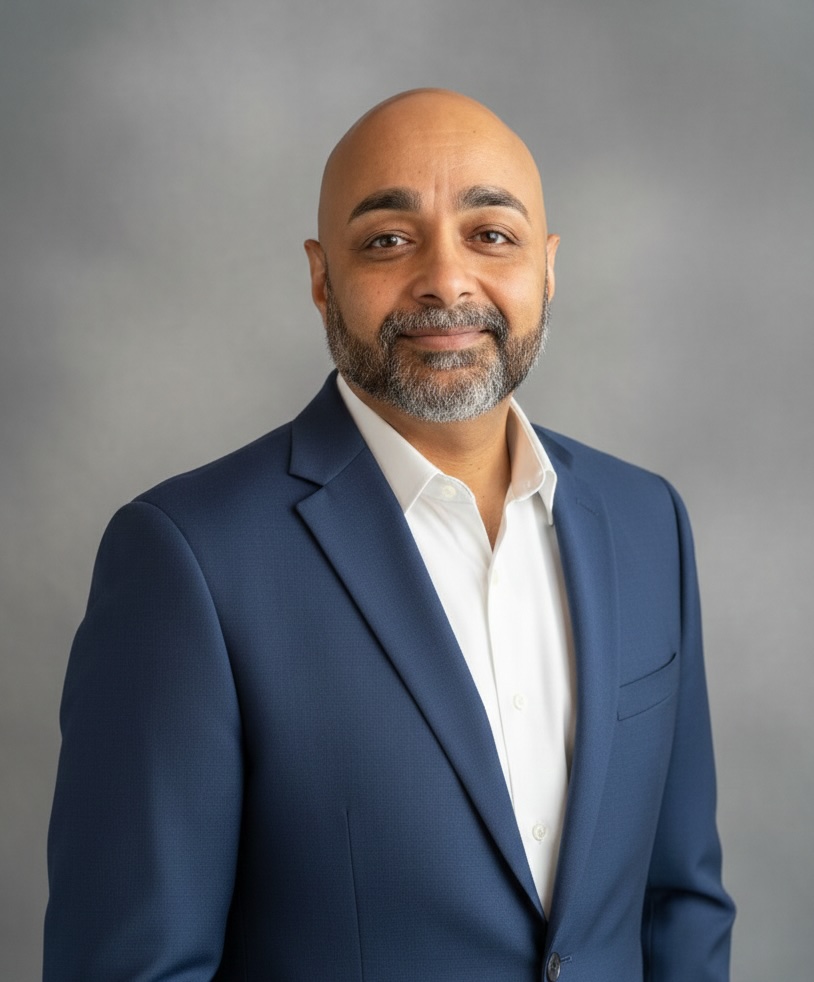
Most CIOs sit on the technology side of the table. I've spent my career on the business side.
Every role I've had starts the same way. I come in for IT, and then keep getting pulled into the room for decisions that have nothing to do with technology. Pricing. Market entry. Org structure. Vendor choices. When you understand a company's data and systems, you see things the P&L doesn't always show - where the business is leaking, where the growth is stuck, where the next play is hiding.
That pattern is what Levaris engagements are built around.
Where the Experience Comes From
Twenty years of doing this work.
I built ERP software before I ever implemented one.
Nearly a decade at Epicor as Director of Development, owning product development strategy for enterprise application suites. That means I understand ERP platforms at the architecture level - not just the sales demo. When a vendor says something can't be done, I can usually tell you whether that's true or whether it's a scoping play to sell you more services.
Then I ran IT for a multinational manufacturer for nine years.
CIO at a multinational industrial manufacturer with operations across North America, Europe, Australia, New Zealand, and Chile. Multiple subsidiaries, multiple ERP platforms, budgets from $500K to $5M+. Setting strategy, leading implementations, managing vendors, building teams, presenting to the board. Led IT through a successful 9x exit of the operating divisions. That tenure is where most of my operating instincts come from.
Then I ran a business.
Most recently at Taphandles, I joined as VP of IT, moved into Chief of Staff to the CEO, and relocated to Barcelona as General Manager to stand up their European entity. Each role added to the last rather than replacing it. Standing up the legal entity, hiring the team, leasing the facility, and building out the UK and EU distribution network. I mention it because it changed how I think about technology leadership - it isn't a silo, it's a business function, and the person making your technology decisions should understand the rest of the business just as well.
Levaris is where all of that lands.
I started doing this work in 2017 under a different name. Rebranded to Levaris because the work evolved. It's not IT consulting. It's embedded operator engagements for companies at inflection points - one engagement at a time, full-time on-site, for as long as the work calls for.
Some of the Work
A few engagements that show the range.
Names withheld per confidentiality agreements. Paul Fichter of Taphandles is the exception, as his testimonial on the home page identifies that engagement directly.
Real Estate Investment Company
Designed and implemented an all-cloud IT environment for a Pacific Northwest real estate investment and management firm. Eliminated on-premise infrastructure entirely, cut annual IT operating costs, and enabled a remote-first model before anyone was forced into one.
Health Insurance Administrator
Walked into an IT operation running twelve concurrent initiatives with no project discipline and no visibility into status or risk. Established a Project Management Office, brought structure to prioritization, and gave leadership a dashboard they could actually use to make decisions. Nine months, Interim Head of IT.
Confectionery Manufacturer
The company promoted someone from Finance into an IT director role. She was smart but had never managed vendors, led a technology project, or presented IT strategy to leadership. I mentored her through the transition - within six months she was running the function independently. That's the work I'm most proud of, because it outlasts me.
Multinational Manufacturer — Seven-Year Advisory Retainer
The longest relationship on my roster and the one that proves the model. IT strategy, ERP management, cybersecurity, team development, board reporting. The relationship has scaled up and down as needs changed - from a couple of days a month to intensive project phases and back again. We're still working together because the work keeps earning its place. This is the single standing retainer I maintain alongside active operator engagements.
How I Show Up
Working style.
Business first.
I start by understanding your goals, your competitive pressures, and what's coming in the next twelve to twenty-four months. Every other decision follows from that. If the conversation isn't anchored to where the business is headed, it's the wrong conversation.
Direct.
I tell you what I think. If a vendor is overselling, you'll hear it. If a timeline is unrealistic, I'll say so before you find out the hard way. If this isn't the right fit for your situation, I'll tell you in the first conversation and save us both the time.
In the room when it matters.
Board prep, operating reviews, vendor negotiations, integration meetings, crisis response. I'm not emailing decks from the sidelines. Full-time on-site means I'm available when the thing that didn't make it into the weekly update shows up at 8pm on a Thursday.
Build your people, not dependence on me.
The goal from day one is to become unnecessary. If you have leaders in place, I'm there to make them better. Mentoring, coaching, codifying what we build together. The engagement ends when the business doesn't need me anymore.