Operator Engagements
The person you bring in when the next call is the one that matters.
Every business hits moments where the next decision shapes the next three years. New leadership inheriting a situation they didn't design. Growth that's outrunning the systems beneath it. A transaction that looked clean in the deal room and complicated once the work started. An inflection point where the team knows something has to change but can't agree on what.
The leaders I work with have everything they need except someone in the room who's already been through it. That's the seat I take.
The Situations I Walk Into
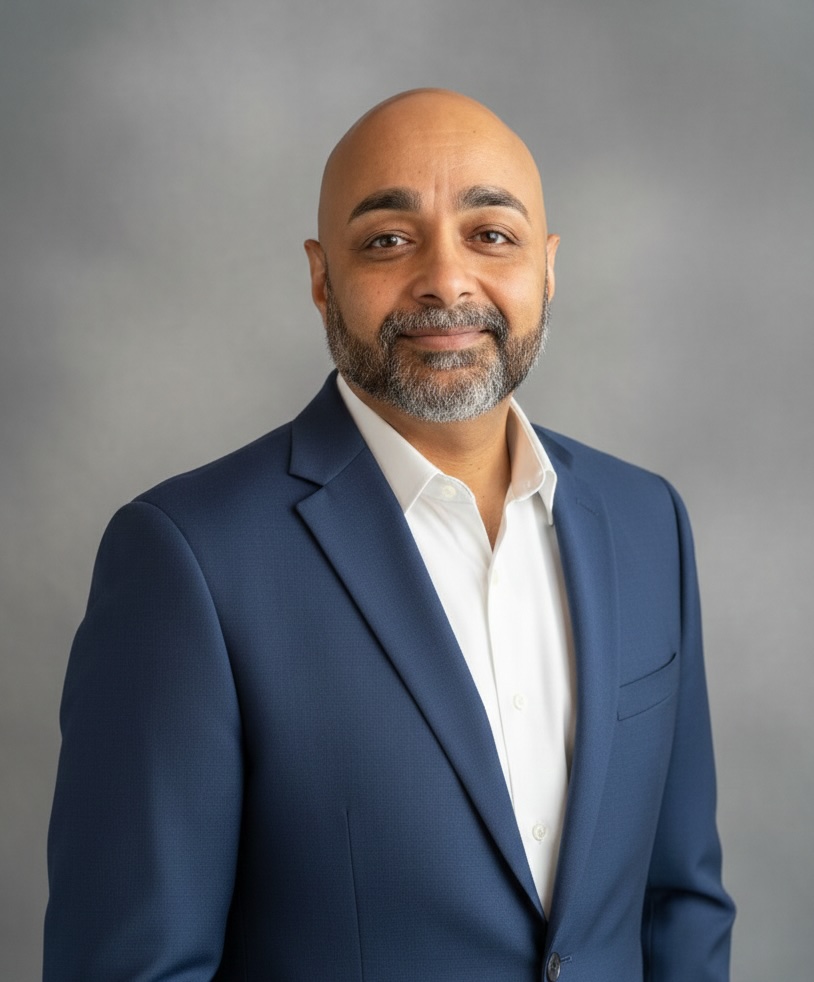
I'm Sanu Chacko. This is Levaris.
Here's what's usually happening when someone reaches out:
New leadership, inherited complexity.
You stepped into the role four months ago and you're still mapping what you inherited. The leaders below you are doing their best with what they have. Your sponsor or board wants to see the new curve. You need someone who's been in your seat before and can help you separate the signal from the noise, fast.
Growth the systems weren't built for.
The business is working, which is the problem. You're running what got you here with people, tools, and processes sized for a smaller version of the company. Something is going to break first, and you'd rather choose which thing than let it choose you.
Post-transaction integration that isn't integrating.
The deal closed. The integration plan exists on a slide somewhere. The reality on the ground is two of everything - two ERPs, two sets of processes, two cultures pretending to be one. The quarter is moving and the synergy case is starting to look theoretical.
The decision the team can't make alone.
You have good people. They're not short on intelligence or effort. But the decision in front of you sits at the intersection of too many disciplines - finance, operations, technology, people, strategy - and nobody on the team has lived through all of them. You need a peer who has.
If you're in one of these situations, you don't need another consulting firm. You don't need another tool. You need someone who's been in the seat before - and has the judgment to know which moves compound and which ones don't.
What Changes
When the right person is in the room.
Here's what actually happens, month to month, across the engagements I take on:
You see the business more clearly. Most leadership teams have more signal than they realize, buried in data they can't easily read. Part of this work is surfacing what's already there - where the business is leaking, where the growth is stuck, where the next play is hiding. Once a leader can see it, better decisions follow on their own.
The right people get aligned on the moves that matter. Most businesses don't lack ideas. They lack a shared read on which three things actually matter in the next ninety days. I spend a lot of time making that read explicit, getting the team to commit, and protecting the commitment from the quarter's noise.
Execution happens with someone accountable. I don't email decks from the sidelines. I'm in the operating reviews, the board prep, the vendor meetings when the call is consequential. If a decision I recommended goes sideways, I'm still there next month to deal with it. The engagement ends when the business doesn't need me anymore.
contract negotiation
retainer relationship
Who This Is For
I work with leaders at inflection points.
Primarily manufacturing and industrial businesses. Heavy industrial, industrial equipment, food and beverage, consumer goods, and adjacent industries where operations are real and technology is consequential. I know these businesses from years inside them, not from case studies.
Ownership structures span PE-backed, family-owned, and founder-led. What matters more than ownership is the situation: new leadership, growth stress, post-transaction complexity, or the kind of decision the team can't make alone.
One engagement at a time. I don't run a portfolio of clients. The engagement has my full attention, full-time on-site, for as long as the work calls for. Typical length is ninety days to two years, depending on the problem.
The exception is a single long-standing advisory retainer with a prior CIO client that I've supported for seven years through multiple phases of their business. That relationship doesn't compete with new engagements.
How Engagements Work
Every engagement starts with a conversation.
No NDA, no pitch. Thirty minutes to talk about where you are and whether this is the right fit for your situation. If it's not, I'll tell you and we both move on.
If we move forward, the first weeks look the same regardless of the situation: I listen. I sit with each leader on your team, I walk the operation, I read what the data is actually telling you, and I tell you what I see. That listening phase is the foundation for everything after it - and it's already the first deliverable.
Read the business.
Two to four weeks, full-time on-site. One-on-ones with every leader. A real look at operations, systems, data, and what's working versus what the team has been papering over. At the end of this phase, you get a written read on what I see - before we commit to anything else.
Move on what matters.
We agree on the two or three moves that will compound over the engagement. I work the plan with your team, side by side, in the operating rhythm of the business. Board prep, vendor decisions, organizational calls, integration work - whatever the engagement requires.
Hand it over.
The goal from day one is for me to become unnecessary. That means developing the people around me, codifying what we've built, and leaving the organization stronger than I found it. The engagement ends when the business doesn't need me anymore.
Engagements are structured as monthly retainers scaled to the scope and commitment. Full-time on-site means relocation when the situation calls for it, as it did in Barcelona in 2025. Terms and scope get defined in writing before we start, and revisited quarterly. No one's ever been surprised by a bill.
What Clients Say
"Senior level presence that integrates well with the entire organization. Very pragmatic in terms of how much technology can be utilized within the business, given the nature and structure of the business. Sanu gets that in order to do your job properly, first and foremost, you need to understand both what the business is about and doing."— Doug Jeffrey, President, Nicholson Manufacturing Ltd
"Sanu helps meld the technology side of the business with the business strategy in a complementary fashion so that senior leadership is not faced with a series of 'either technology is optimized or business is optimized' choices. He brings a fundamental understanding of business first to problem solving."— Scott Howell, CEO, Northern Industrial Management
"Sanu brought a sense of purpose, focus, and urgency to our entire team. He mentored the leaders into taking responsibility for their teams and deliverables while challenging the culture to move with greater clarity and pace. When you engage with Sanu, you get someone committed to helping you build a high-performing, business-focused technology organization."— Steve Suter, President & CEO, Health Management Administrators
"What made Sanu valuable went beyond the technical execution. He understood the business side - what we actually needed versus what a consultant would try to upsell. That pragmatism showed up everywhere, from IT infrastructure to a Chief of Staff role to standing up our European operation in Barcelona as General Manager. Sanu is the real deal."— Paul Fichter, CEO, Taphandles
Let's figure out if this fits.
Thirty minutes. No pitch. We talk about what you're working through and I'll tell you honestly whether I can help - and if I can't, I'll tell you that too.
Schedule a ConversationSeattle, WA. Full-time on-site wherever the engagement takes me.